Why Hiring a Professional Bathroom Contractor Makes a Big Difference
A bathroom looks simple from the outside. It is one room, usually not very large, and most people can name the major parts in a few seconds: vanity, toilet, shower, tile, lighting. That apparent simplicity is exactly why so many homeowners underestimate what goes into a successful remodel.
I have seen bathrooms that looked beautiful for three months and then started telling the truth. Grout lines cracked. The shower pan held water in one corner. The vanity drawers rubbed because the floor was not leveled before installation. A quiet drip inside the wall turned into a stained ceiling downstairs. None of those problems started with bad intentions. Most started with poor planning, rushed work, or a contractor who was strong in general carpentry but weak in bathroom systems.
Hiring a professional bathroom contractor makes a big difference because bathrooms are unforgiving. Water finds every mistake. Moisture exposes shortcuts. Small dimensional errors become obvious when tile, glass, plumbing fixtures, and cabinetry all need to align in a tight footprint. When the room is built correctly, you do not just get a nicer finish. You get durability, code compliance, better function, and far fewer expensive surprises.
Bathrooms demand precision, not guesswork
A kitchen remodel has complexity, but a bathroom packs an unusual amount of technical work into a smaller area. Plumbing, electrical, waterproofing, ventilation, finish carpentry, tile layout, and fixture placement all compete for space. One wrong move early in the process creates a chain reaction.
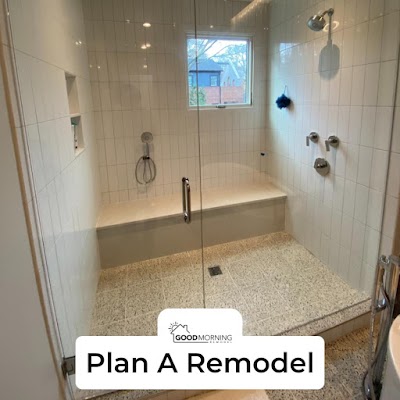
Take shower construction. Many homeowners focus on the visible materials, such as the tile color or the style of the niche. The critical work happens underneath. The substrate has to be appropriate for wet areas. Waterproofing has to be complete, not patched together. The shower pan needs proper slope. Corners and penetrations must be sealed with care. A professional bathroom contractor understands that the pretty part only lasts if the hidden part is done right.
The same is true for the floor. Heated tile systems, uncoupling membranes, transitions to adjacent rooms, and subfloor reinforcement all matter. A seasoned contractor checks deflection, floor height, and the weight of finish materials before installation begins. That kind of forethought rarely shows up in a before-and-after photo, but it is the reason one bathroom still feels solid after ten years while another starts creaking and cracking after one winter.
A reputable bathroom remodeling company also knows when a house itself is part of the challenge. Older homes often hide uneven framing, undersized vents, corroded supply lines, and wiring that no longer meets code. Renovation in a newer suburban home can be straightforward. Renovation in a 1950s bungalow or a century home often requires judgment that only comes from experience. You are not just installing finishes. You are negotiating with the structure.
The cheapest bid often becomes the most expensive job
Many people shop a bathroom renovation by comparing top-line numbers. That is understandable. Remodels are expensive, and bathrooms can cost more than expected because labor is intensive and materials vary so much. But a low estimate is not always a smart estimate.
A professional bathroom remodeling company usually spends more time on scope, prep, and sequencing. That means the estimate may include items a less experienced contractor leaves out, either by accident or to win the job. Demolition protection, permit costs, waterproofing systems, disposal fees, carpentry corrections, fan venting, shutoff upgrades, and finish details are common examples.
I once walked through a project where the owner proudly told me they had saved several thousand dollars by hiring a bargain installer. Halfway through, the “savings” disappeared. The new tub drain did not line up, so the ceiling below had to be opened. The waterproofing behind the shower tile was incomplete, so part of the work had to be torn out and redone. The vanity was ordered before the rough plumbing was confirmed, and it needed field modifications that ruined the drawer layout. The final cost exceeded what several established contractors had originally quoted, and the household lived in disruption much longer than planned.
A good bathroom contractor does not just price the visible room. They price the process required to deliver it properly.
Project management matters more than most homeowners realize
One of the clearest differences between a true professional and a casual remodeler is project management. Bathroom work involves interdependence. The plumber cannot finish rough-in until framing adjustments are done. The tile setter needs proper substrate and confirmed fixture specs. The electrician needs lighting decisions before final trim. The glass installer needs precise finished dimensions, not guesses.
When one trade is delayed or working from incomplete information, the entire schedule slips. That costs money and causes stress. A seasoned bathroom contractor anticipates these pinch points. They confirm selections early, coordinate delivery dates, keep trades moving in the right order, and spot issues before they stall progress.
This becomes even more valuable when the bathroom is part of a larger job. Many homeowners hiring a home remodeling company are not only updating a hall bath. They may also be improving a primary suite, adding storage, or planning home additions. Once multiple spaces are affected, sequencing becomes even more important. Temporary access, dust control, material staging, and inspection timing all need attention. A contractor with strong management skills protects the rest of the house from unnecessary chaos.
That is one reason established companies often outperform solo operators on more involved remodels. A one-person business may do excellent finish work but struggle to coordinate permits, procurement, subcontractors, and communication all at once. A stronger operation has systems in place. Those systems are not glamorous, but they are what keep the job from drifting.
A professional sees the hidden design problems before they become installed problems
Good contractors do more than build from drawings. They review plans with practical eyes.
For example, a layout may show a beautiful freestanding tub, but the room might feel cramped once clearances are measured in real conditions. A recessed medicine cabinet could conflict with plumbing or a vent stack. A wall-mounted faucet may require valve positioning that the chosen vanity cannot accommodate. Large-format tile may look sleek on paper but create awkward slivers at corners if the room dimensions are not considered early.
A skilled bathroom contractor catches https://maps.app.goo.gl/nvJTe8yCpvCDEwtP7 these issues before materials are ordered and walls are closed. That alone can save thousands. It also saves homeowners from the disappointment of learning too late that their favorite idea does not fit the room as imagined.
This is where experience really shows. A contractor who has built dozens or hundreds of bathrooms develops instinct for common problem areas. They know which shower door swings create daily annoyance, which niche placements look balanced and stay functional, and which lighting plans flatter the room instead of casting shadows over the mirror. They are not just installing products. They are protecting usability.
Codes, permits, and moisture control are not minor details
Homeowners sometimes think code requirements are red tape added by the city. In bathroom work, many of those requirements exist because failure can damage the house or create safety hazards.
Bathrooms need proper GFCI protection. They need ventilation that actually exhausts moisture outside, not into an attic. Plumbing changes may need vents, trap arms, and drain sizing that meet local standards. Shower assemblies must be waterproofed correctly. In some jurisdictions, permit and inspection requirements are strict for good reason.
A professional bathroom renovation contractor knows how local expectations apply to the real jobsite. They understand which changes trigger permits, how to document work, and how to pass inspections without frantic last-minute corrections. That protects resale value too. Buyers and home inspectors notice when work looks improvised or undocumented.
Moisture control deserves special attention. I have walked into bathrooms where everything looked freshly remodeled, yet the room already smelled damp. The fan was undersized, poorly ducted, or never used because it was too loud. Paint was not suited to the environment. The shower enclosure design let water escape to vulnerable areas. Those are not cosmetic mistakes. They are building-envelope problems in a small room.
Professional contractors treat moisture as a system issue. That mindset is what keeps a bathroom healthy over time.
The right contractor helps you spend money where it counts
Not every bathroom needs luxury finishes to perform well. One of the most useful things a professional can do is help you separate high-value choices from expensive distractions.
Sometimes homeowners splurge on imported tile but install a budget fan and weak waterproofing behind it. Other times they buy a designer faucet that looks fantastic online but performs poorly in daily use. A trustworthy bathroom remodeling company will explain where quality matters most and where you can save without regret.
Here are a few areas where professional guidance often pays off:
- Waterproofing and substrate preparation
- Ventilation and moisture management
- Plumbing fixture quality and serviceability
- Lighting placement and electrical planning
- Storage design that fits actual routines
That advice is especially valuable if your bathroom remodel is one part of broader home improvements. A home remodeling company that also handles kitchens, home additions, and exterior work often has a wider budgeting perspective. They can help you decide whether to put more money into the primary bath now, preserve funds for a future addition, or align materials across multiple spaces for a more cohesive result.
Trade relationships improve the final result
A polished bathroom is rarely the work of one person. Even when one contractor does much of the hands-on labor, the best outcomes often rely on reliable specialists. Plumbers, electricians, tile setters, countertop fabricators, glass installers, and painters all affect the finish.
Professional contractors tend to work with trades they trust. That matters. A good tile setter can rescue a difficult layout. A solid plumber can catch an access issue before cabinetry arrives. A glass installer who communicates clearly can prevent costly remakes.
These relationships also create accountability. When trades know each other’s standards, they are more likely to coordinate well and less likely to leave problems for the next person. That is one of the quiet strengths of a reputable bathroom contractor. They are not assembling a random team for your house. They are bringing in people whose work they understand.
Timelines become more realistic, which reduces stress
Every remodel takes longer than homeowners hope. The difference with a professional is not magic speed. It is realism.
A bathroom renovation can move quickly under ideal conditions, especially if the layout stays the same and materials are in stock. But ideal conditions are rare. Hidden damage, delayed shipments, custom orders, inspection scheduling, and changes midstream all affect timing.
What a seasoned contractor brings is a more accurate forecast. They will tell you where delays commonly happen and what decisions need to be made early. They will also explain the cost of changing your mind after work starts. That honesty helps households prepare, especially when a home has only one full bath or when young children are involved.
I have found that clients handle inconvenience much better when they feel informed. A realistic six-week schedule is far less stressful than a promised three-week sprint that drags into two months. Clear communication is not a bonus. In remodeling, it is part of the job.
Design-build experience can be useful, especially for whole-home plans
Not every bathroom project exists in isolation. Sometimes the bathroom update connects to a bedroom reconfiguration, laundry relocation, or suite expansion. In those cases, hiring a contractor with broader remodeling experience can be a major advantage.
A company that routinely handles home additions may see opportunities others miss. They might suggest shifting a wall slightly to gain a proper linen cabinet, borrowing space from an underused closet, or adjusting plumbing routes to support future expansion. If they are also a home remodeling company with design-build capabilities, they can align structural, mechanical, and aesthetic decisions from the beginning.
This broader lens matters even if you are focused on one room today. The right contractor can help you avoid choices that limit future options. For example, a bathroom wall you plan to retile now may later become part of a larger primary suite renovation. Planning with that possibility in mind can save money later.
What this looks like in real life
A few years ago, I visited two homes on the same street with nearly identical bathroom goals. Both owners wanted a dated guest bath updated with a walk-in shower, new vanity, improved lighting, and fresh tile. The budgets were not far apart.
The first homeowner hired a professional bathroom contractor who spent time reviewing the room, measuring carefully, and discussing how the family actually used the space. The contractor recommended a slightly shallower vanity to improve door clearance, moved the shower niche to avoid a fussy tile cut, upgraded the fan, and corrected a minor floor issue before the tile went in. Nothing about the finished room screamed extravagance. It just worked. The lighting was flattering. Storage made sense. The shower drained properly. Two years later it still looked crisp.
The second homeowner hired a cheaper remodeler with decent references but less specialization. The room photographed well right after completion, but several issues emerged. The shower threshold let water escape. The mirror light was centered on the wall, not the vanity, so the room looked oddly off-balance. Caulk lines opened at movement points. A medicine cabinet door clipped a sconce because the layout was never checked carefully in three dimensions. Fixing the problems was possible, but frustrating.
That is the difference people feel when they say a bathroom “came out right.” It is rarely about one dramatic feature. It is the accumulation of dozens of smart, disciplined decisions.
The bathroom is small, but the impact is large
Bathrooms affect daily life more than many rooms do. You use them when you are tired, rushed, sick, getting ready for work, helping children, or hosting guests. If the layout is awkward or the ventilation poor, you notice it constantly. If the room is well built, you stop thinking about it, which is a sign of success.
A professionally remodeled bathroom also supports home value, though that should not be the only reason to invest carefully. Buyers respond to bathrooms that feel solid, clean, current, and thoughtfully planned. They are quick to spot sloppy tile, cheap fixtures, weak lighting, and signs of moisture trouble. Quality work gives reassurance, and reassurance matters in real estate.
The same is true in the broader contractor world. People usually would not hire a deck builder to handle a complex bath remodel, just as they would not ask a bathroom specialist to serve as the contractor to build decks without relevant exterior experience. A deck contractor deals with structural loads, footings, weather exposure, rail code, and sometimes deck enclosures. A contractor for deck projects needs a different skill set than a wet-area interior specialist. The comparison is useful because it highlights a simple truth: specialized work benefits from specialized knowledge.
That does not mean general contractors cannot do excellent bathrooms. Many can, especially if they run a strong home remodeling company and use trusted bath-specific trades. It simply means you should look for proof that the contractor understands bathrooms deeply, not just construction broadly.
How to tell whether a contractor is truly qualified
Homeowners often ask what separates a polished professional from a smooth salesperson. The answer usually appears in the questions they ask you and the details they notice on site.
A capable bathroom contractor will ask about how many people use the room, who cleans it, whether anyone needs aging-in-place features, how much storage is actually required, and what problems bother you most in the current layout. They will inspect the floor, wall conditions, access below or behind, venting path, and existing plumbing. They will talk about materials in terms of maintenance, not only appearance.
Watch for these signs during the hiring process:
- They discuss waterproofing in specific terms, not vague assurances
- They explain what is included in the estimate and what could change it
- They talk openly about permits, inspections, and scheduling realities
- They can show bathrooms similar to yours, not just generic renovation photos
- They communicate clearly and answer practical questions without dodging
The best contractors are rarely the flashiest. They are usually the ones who make you feel that the job has been thought through.
Paying for experience is often cheaper than paying for repair
There is a reason experienced bathroom contractors charge what they do. You are not only paying for labor hours. You are paying for judgment built over many projects, mistakes already learned from, trade relationships already tested, and systems that reduce risk.
That value may be hard to appreciate before a job starts because good construction is preventative by nature. You do not see the leak that never happens, the tile crack that never forms, or the schedule conflict that never derails the project because someone planned ahead. But those absences are exactly what you are buying.
If you are considering a bathroom renovation, think beyond finishes and fixture catalogs. Ask who will manage the process, protect the structure of the house, solve hidden problems, and stand behind the work when the room begins real daily life. The answer to those questions usually matters more than whether the vanity top is quartz or marble.
A bathroom may be one room, but it asks a lot from the people who build it. When you hire a professional bathroom contractor, you give that room its best chance to perform beautifully, hold up over time, and make your everyday routine easier. That is the big difference, and it is one worth paying for.